
Hose on Hose

Table of Contents
Table of Contents
In the field of water and management of fluids “hose on hose” configurations are increasingly in demand because of their flexibility as well as efficiency. For industrial, agriculture applications, or in domestic use the unique design lets you achieve the best fluid flow through the use of multiple hoses in order to attain the required pressure or flow as well as the flexibility. In this piece we’ll explore the meaning of hose-on-hose and how it operates and the various types of hoses used, their application, benefits and how you can maintain this type of system for longevity and efficiency.
What is Hose on Hose?
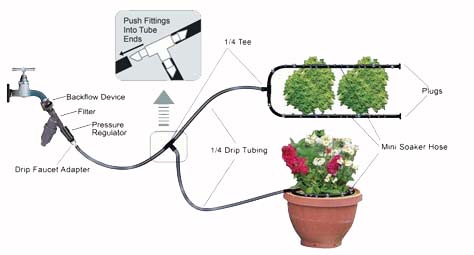
The phrase “hose on hose” refers to a setup where at least two hoses connect to allow the efficient flow of fluids, such as oil, water or chemicals. The arrangement typically involves the hose that is connected with another hose, either directly or via coupling mechanisms, in order to expand the reach of the hose or boost the power of the delivery system.
The system can be particularly beneficial in situations where longer distances must be covered or if multiple kinds of fluids need to be controlled in parallel. When hoses are layered this way, the versatility of the system increases dramatically, as well as its capacity to meet diverse operational demands is increased.
Different Types of Hoses Used in Hose on Hose Systems
In the event of examining a hose, it’s crucial to be aware of the various kinds of hoses that are involved. Each kind of hose is made for specific purposes The choice of hose will affect the effectiveness as well as the durability of the complete setup.
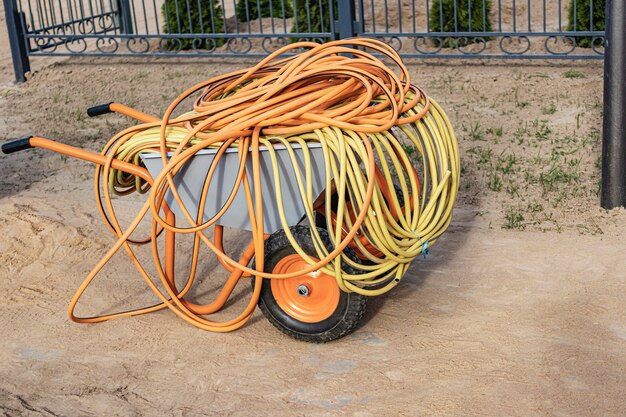
- PVC Hoses Polyvinyl Chloride (PVC) is one of the most popular types of hoses utilized in the system of hoses. They’re light as well as flexible and impervious to rust, which makes the perfect choice for transportation of chemicals and water. PVC hoses also come with a low cost which makes them an ideal choice for a wide range of sectors.
- Rubber Hoses
The rubber hoses are well-known for their strength and their resistance to wear and wear and tear. They are frequently utilized in high-pressure hose systems, specifically for environments where high-performance applications are needed, like the construction industry or for fluid transfer. Flexible rubber hoses are able to withstand temperatures of extreme and are suitable for cold and hot applications. - Fabric Reinforced Hoses
Fabric reinforced hoses consist of layers of fabric that are embedded into the hose’s material in order to improve durability and avoid breaking. They are typically employed in instances where additional durability is required like massive irrigation systems, or for high pressure applications. - Specialized Hoses
Certain hoses on systems need specialized types of hoses, such as those made specifically for food processing or handling chemicals. The hoses typically are constructed from special materials to be resistant to degradation and contamination by acidic chemicals and other hazardous compounds.
Benefits of Hose on Hose Systems
A hose on hose design has numerous advantages which make it a desirable option for a variety of different industries. Below are its most prominent advantages:
- Efficient Water Delivery
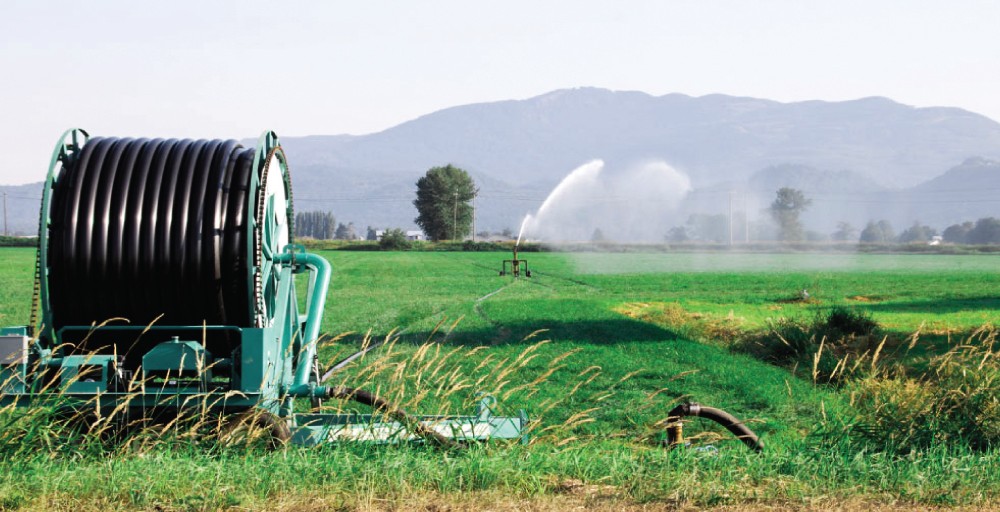
The hoses on the systems of hose are extremely effective in distributing water over vast areas, or over larger distances. Through the connection of multiple hoses you will be able to extend the reach of your system for watering without the risk of reducing flow or pressure. - Improved Pressure Management
One of the major benefits of a hose-on set-up is the capacity to better manage pressure. Through layering hoses you are able to adjust pressure in accordance with your demands. This can be particularly useful for systems where a consistent pressure is essential for example, those in agricultural or industrial processes. - Flexibility and Versatility
A hose-on-hose system provides a lot of flexibility of length and mobility. It doesn’t matter if you’re watering your plant, cooling equipment at factory or transporting fluids at construction sites The flexibility offered by an hose-on-hose system allows it adaptable to various situations and settings. - Cost-Effectiveness
Instead of spending money on a single huge hose, using several smaller hoses is much more economical. These hoses tend to be more affordable and they can be fixed or replaced individually so that maintenance is easier and cost-effective.
Applications of Hose on Hose
The hose on hose systems are extremely flexible, and can have diverse applications throughout the various sectors. Let’s look at some of their most popular usages.
- Agriculture: Irrigation and Farming
In the agricultural sector, hose-on the hose system is commonly utilized to water. When hoses are connected together farmers are able to cover huge areas without having to manually adjust the hose positioning. The systems are able to be fitted with emitters or sprinklers to distribute water equally across the crops and ensure that the crops are growing at their best. - Construction Sites: Heavy Duty Watering
Sites for construction often require huge volumes of water for a variety of jobs, including dust control, cooling of equipment and concrete mixing. Hoses on hose systems are the ideal solution for these types of tasks because they are able to transport huge amounts of water over lengthy distances and provide constant water flow across diverse areas of the construction location. - Industrial Use: Fluid Handling
In the industrial setting, hoses in hose systems are utilized to manage fluids including chemicals, oils as well as steam. They allow effective fluid transportation throughout refineries, manufacturing plants and chemical processing manufacturing facilities. The system’s flexibility allows it to maneuver through intricate plant layouts, making sure that liquids are delivered effectively and safely. - Domestic Use: Gardening and Car Washing
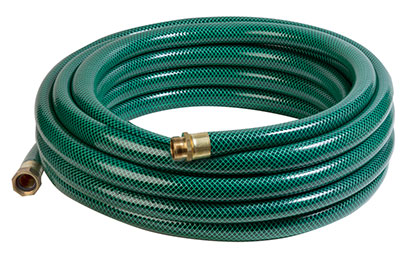
In domestic settings, hoses used in hose systems are usually utilized for car washing and various other household chores. Homeowners can expand their garden hoses, or build more effective irrigation systems by connecting more water hoses. It ensures that water is able to reach all corners of your lawn or driveway.
How to Install Hose on Hose Systems?
The installation of a hose-on-hose setup may be difficult however, with the proper equipment and expertise, you’ll create a reliable system within a matter of minutes. This step-by-step tutorial will guide you through the procedure:
- Prepare Your Hoses
The first step is to gather the hoses you want to join. Check that they’re the right length and style that you require. Examine for wear or damage that may impact the performance. - Use the Right Couplings
The couplings you use are vital to connect the hoses. Make sure you are using the right couplings to match the kind and length of hose that you’re making use of. The most common couplings are threaded, quick-connect or barbed couplings. - Connect the Hoses
The first step is to connect one of the hoses to your pump or water source. After that, connect the other one to the first by coupling. Repeat the process as many needed hoses are needed. Check that every connection are tight in order to prevent leaks. - Test the System
When all the hoses are in place After that, switch on the water or source to examine the system. Verify for leaks, and be sure that the water flow is evenly across the hoses that are connected. - Secure the Hoses
Last but not least, put the hoses with hooks, stakes, or any other support to stop the hoses from slipping or becoming tangled when you work.
Maintenance Tips for Hose on Hose Systems
The proper maintenance of your hose and hose system is vital to ensure it’s longevity and effectiveness. Here are some important maintenance guidelines:
- Regular Inspection
Examine the couplings and hoses often for signs of cracks, wear or leaks. Replace damaged hoses or couplings so that the system can maintain its functionality. - Cleaning and Storage
Following use, clean the hoses, removing dirt, dust or other materials that could damage the hoses in the course of time. Keep the hoses in a cool, dry location to avoid becoming damaged in sunlight or becoming frozen in cold temperatures. - Preventing Wear and Tear
In order to avoid wear and tear ensure that the hoses don’t come under sharp bends or high pressure. You can consider using hose protectors or hangers to lessen the stress placed on the hoses.
Common Issues Systems Hose Systems
Though hose on hose systems are extremely effective but they do not come completely free of problems. These are the most common problems as well as solutions to them:
- Hose Leaks
Less-than-perfect connections to the hose may cause water waste and a decrease in system performance. In order to stop leaks, make sure that the couplings have been tightened correctly, then replace any gaskets or seals that have worn out. - Pressure Drop
If your water pressure is not sufficient, look to see if there are any obstructions in the couplings and hoses. If the couplings or hoses are wide or long they might not be able to deliver enough pressure to meet your expectations, so modifications will have to be taken. - Kinks and Twists
Twirls, or kinks, in hoses could block fluid flow, and make the system fail. To stop this from happening ensure that the hoses are flat, and stay clear of sharp twists in the process of setting up the system.
Conclusion
Systems for hose on hoses provide an efficient, flexible and economical solution to the management of fluids in a range of sectors. From industrial to agriculture their versatility on hoses is what can be a valuable instrument. If you are aware of the various types of hoses and their advantages and the best ways to properly maintain them to ensure that your hose-on-hose device is working at maximum efficiency throughout the years.
If you’re installing an individual system or for a larger-scale business, understanding how to handle and keep these systems in good condition is essential to maximize their capabilities. Utilize the hose on hose method for improved fluid flow and reduce the cost of maintenance and improve the efficiency of your business.
FAQs
Q: What’s the best pressure to use for the hose system?
A: The best pressure will depend on the style of hose used as well as the applications. A typical between 30 and 60 PSI is adequate for most garden and irrigation equipment. For industrial use, higher pressure ratings could be required.
Q: Can the hose be used to serve household and industrial uses?
The answer is yes, the hose for hose systems may be designed to suit industrial and domestic uses. Domestically, garden hoses will be employed, while industrial applications could require high-performance hoses that are designed to transfer high pressure fluids.
Question: How can I keep my hoses from becoming kinked?
A: To avoid Kinking, be sure the hoses you use are properly stored and do not suffer extreme bends while in use. It is also possible to purchase hose reels and protective hoses to preserve the flexibility and shape of pipes.